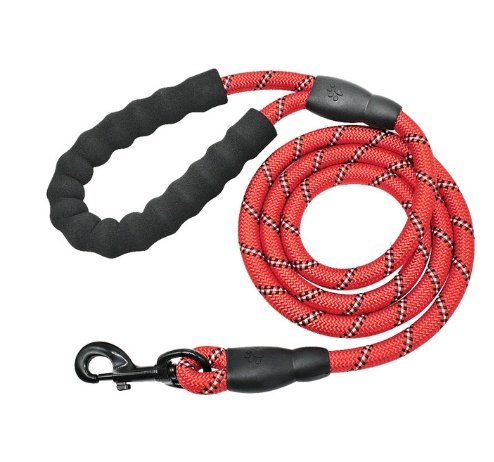
how to stop dog from pulling on leash
Table of Contents
ToggleHow to Stop a Dog From Pulling on the Leash (Complete Training Guide)
Leash pulling is one of the most common frustrations dog owners face. Walks turn into tug-of-war, arms get sore, and what should be relaxing becomes stressful. The truth is, most dogs pull simply because they’ve never been taught how not to.
This guide explains why dogs pull, how to stop it step by step, and how to adapt the training for puppies, large dogs, and difficult cases — without harsh tools or force.
Why Dogs Pull on the Leash
Pulling is normal dog behavior, not disobedience.
Dogs pull because:
-
They naturally walk faster than humans
-
They’re excited by smells, people, or other dogs
-
Pulling has worked in the past
-
They don’t understand leash pressure
Dogs repeat behaviors that get results. If pulling moves them forward, they’ll keep doing it.
What You Need to Stop Leash Pulling
You don’t need complicated tools — just the right basics.
-
A 4–6 foot standard leash
-
A well-fitted harness (front-clip recommended for pullers)
-
High-value treats (chicken, cheese, or soft training treats)
-
Time, patience, and consistency
Avoid retractable leashes during training. They teach dogs to pull.
The Golden Rule of Loose-Leash Walking
If the leash is tight, you stop.
If the leash is loose, you move.
This single rule teaches your dog everything they need to know.
Step-by-Step Training Method (Loose-Leash Walking)
Step 1: Start Where Your Dog Can Succeed
Begin indoors or in a quiet area. Busy streets are too distracting early on.
Step 2: Reward the Loose Leash
-
Stand still with your dog on leash
-
The moment the leash relaxes, reward
-
Take one or two steps forward
-
Reward again if the leash stays loose
You’re showing your dog exactly what behavior earns rewards.
Step 3: Stop Immediately When Pulling Starts
When your dog pulls:
-
Stop walking
-
Stay calm and silent
-
Wait for the leash to loosen
-
Reward and continue
Do not yank the leash or scold. Stillness is the correction.
Step 4: Change Direction When Needed
If pulling continues:
-
Calmly turn and walk the other way
-
Reward when your dog catches up
This keeps your dog focused on you instead of the environment.
Step 5: Add a Walking Cue
Use a simple cue like:
-
“Let’s go”
-
“Walk”
-
“With me”
Say it just before moving so your dog learns its meaning.
Use the Environment as a Reward
Sniffing, greeting, and exploring are powerful rewards.
-
Loose leash = access to the environment
-
Pulling = everything stops
This makes training faster and more natural.
7-Day Loose-Leash Training Plan
Day 1–2:
Practice indoors, 5–10 minutes
Reward every loose step
Day 3–4:
Move to yard or driveway
Introduce direction changes
Day 5–6:
Quiet sidewalk
Increase walking distance
Day 7:
Add mild distractions
Return to easier areas if needed
Repeat weeks as needed — progress is not linear.
Puppy-Specific Tips
Puppies are learning habits that last a lifetime.
-
Keep walks short and positive
-
Reward frequently
-
Don’t expect perfection
-
Let them explore on a loose leash
Never allow consistent pulling — even in puppies.
Tips for Large or Strong Dogs
Strength doesn’t mean harder training — it means clearer rules.
-
Use a front-clip harness
-
Train indoors first
-
Stop immediately when pulling starts
-
Be consistent every single walk
Proper technique beats strength every time.
For Easily Distracted or Reactive Dogs
-
Increase distance from triggers
-
Reward calm behavior heavily
-
Practice focus games at home
-
Move at your dog’s pace
If needed, consult a professional trainer for reactivity.
Equipment: What Helps and What Hurts
Helpful
-
Front-clip harness
-
Standard leash
-
Treat pouch
Avoid
-
Retractable leashes
-
Choke chains
-
Prong collars
-
Leash jerks
Tools don’t replace training — they only support it.
Common Mistakes That Slow Progress
-
Letting your dog pull “sometimes”
-
Training only when in a hurry
-
Starting in busy areas too soon
-
Expecting fast results
-
Inconsistency between handlers
Dogs learn patterns, not exceptions.
FAQs
How long does it take to stop leash pulling?
Most dogs show improvement within 2–4 weeks of consistent training. Strong pullers may take longer.
Should I stop walks until my dog stops pulling?
No. Walks are important. Just turn them into training sessions.
Is pulling a sign of dominance?
No. Pulling is excitement, habit, or lack of training — not dominance.
Can older dogs learn not to pull?
Absolutely. Age does not prevent learning.
What if my dog pulls toward other dogs?
Increase distance, stop walking, and reward calm attention back to you.
Quick Checklist Before Every Walk
-
Harness fitted correctly
-
Leash attached securely
-
Treats ready
-
Calm mindset
-
Consistent rules
Final Thoughts
Stopping leash pulling isn’t about control or force — it’s about teaching your dog how to succeed. When pulling no longer works and calm walking always does, behavior changes naturally.
Stay patient, stay consistent, and remember: every loose step is progress.