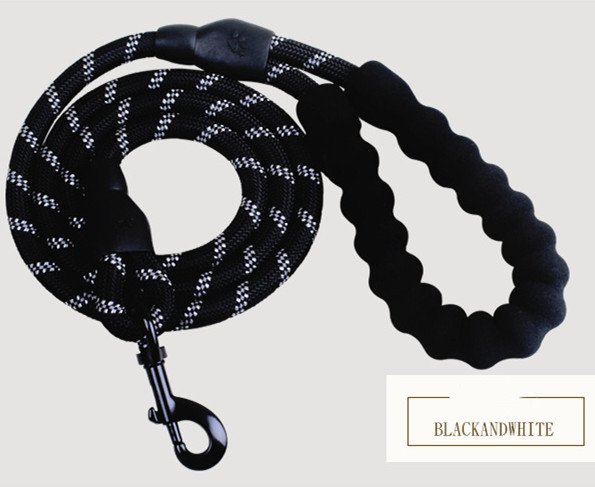
how to put a body leash on a dog
Table of Contents
ToggleHow to Put a Body Leash on a Dog (Complete Guide)
A body leash, also called a dog harness, is one of the safest and most comfortable ways to walk a dog. When used correctly, it gives you better control without putting pressure on your dog’s neck. The key is choosing the right harness and putting it on the right way.
This guide covers everything you need to know, step by step.
How to Choose the Right Harness Size
A harness that doesn’t fit properly can cause rubbing, slipping, or restricted movement.
Measure Your Dog
Use a soft measuring tape and measure:
Chest (girth): Around the widest part of the ribcage, just behind the front legs
Neck (if required): Around the base of the neck, not high like a collar
Always choose a size based on chest measurement first, not weight or breed.
Fit Rules
A proper fit should:
Sit low across the chest, not on the throat
Allow full shoulder movement
Stay in place without shifting
Allow two fingers to fit between the harness and your dog
If your dog is between sizes, choose the larger size and adjust down.
Types of Body Leashes (Harness Styles)
Over-the-Head Harness
Slips over the head
Buckles around the chest
Common and secure
Best for dogs comfortable being handled
Step-In Harness
Dog steps into two loops
Buckles across the back
Good for dogs that dislike things going over their head
Front-Clip Harness
Leash attaches at the chest
Helps reduce pulling
Often includes a back clip as well
How to Put on an Over-the-Head Harness
Unbuckle the harness completely
Hold the neck opening and gently slip it over your dog’s head
Position the chest strap across the chest (not the neck)
Bring the straps under the belly
Buckle both sides behind the front legs
Adjust straps evenly
Check that nothing is twisted and the harness lies flat.
How to Put on a Step-In Harness
Lay the harness flat on the ground
Place one front paw into each loop
Lift the harness up around the chest
Buckle it across the back
Adjust the straps for a snug fit
Make sure the straps do not rub the armpits.
Front-Clip vs Back-Clip: Which Should You Use?
Front-Clip Harness
Best for:
Dogs that pull
Training loose-leash walking
Large or strong dogs
How it helps:
When the dog pulls, their body gently turns back toward you, reducing forward momentum.
Back-Clip Harness
Best for:
Calm walkers
Small dogs
Everyday casual walks
More comfortable for dogs who already walk well on a leash.
Many harnesses include both clips, which gives you flexibility.
How to Attach the Leash
Clip the leash to the back ring for relaxed walking
Use the front ring for training or pulling issues
Always check the clip before leaving
Never attach the leash before confirming the harness is fitted correctly.
Tips for Puppies
Choose an adjustable harness they can grow into
Keep sessions short and positive
Let the puppy wear the harness indoors first
Use treats and praise every time it goes on
Avoid leaving the harness on unsupervised puppies.
Tips for Large or Strong Dogs
Use a sturdy, well-padded harness
Front-clip harnesses offer better control
Make sure buckles and stitching are heavy-duty
Check fit often, especially during growth or weight changes
Proper fit is especially important to prevent slipping out.
Common Mistakes to Avoid
Putting the harness on backward
Leaving straps twisted
Fitting it too loose (dogs can escape)
Fitting it too tight (causes discomfort)
Letting the chest strap sit against the throat
Quick Checklist Before Every Walk
Harness lying flat and centered
Chest strap sitting low
Two fingers fit under straps
Leash securely clipped
No rubbing under the arms
Final Thoughts
A body leash should make walking easier, not harder. When fitted correctly, a harness keeps your dog comfortable, secure, and easier to guide. Take your time the first few times, make adjustments as needed, and soon it will feel routine for both of you.