Dog leash vs dog harness
Table of Contents
ToggleDog Leash vs Dog Harness: What’s the Difference and Which Is Better?
When walking a dog, many people ask the same question: Should I use a dog leash or a dog harness?
The truth is, they’re not opposites — they work together, but they serve different purposes.
Understanding the difference helps you choose the safest and most comfortable setup for your dog.
What Is a Dog Leash?
A dog leash is the line that connects you to your dog. It gives you control, keeps your dog safe, and allows you to guide their movement during walks.
What a Leash Does
Keeps your dog close and under control
Prevents running into traffic or unsafe areas
Helps with training and communication
Required by law in many public places
A leash always attaches to something — either a collar or a harness.
What Is a Dog Harness?
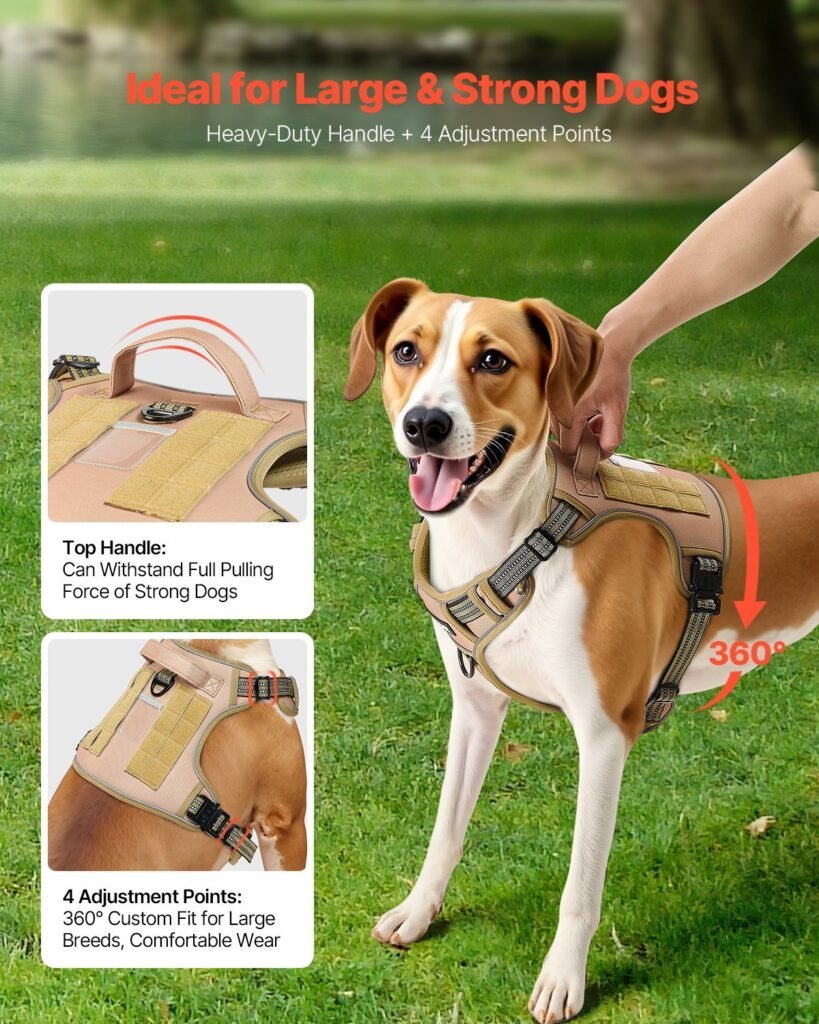
A dog harness is worn on the dog’s body and distributes pressure across the chest and shoulders instead of the neck.
What a Harness Does
Reduces strain on the neck and throat
Provides better control for strong or pulling dogs
Improves comfort during walks
Helps prevent choking or injury
Harnesses are especially useful for dogs that pull, small dogs, puppies, or dogs with medical issues.
Key Differences at a Glance
| Feature | Dog Leash | Dog Harness |
|---|---|---|
| Purpose | Control and guidance | Comfort and pressure distribution |
| Worn by | Handler | Dog |
| Prevents pulling | No (by itself) | Helps, especially front-clip |
| Neck pressure | Depends on attachment | Minimal |
| Required for walks | Yes | Optional but recommended |
Collar + Leash vs Harness + Leash
Collar and Leash
Best for:
Dogs that walk calmly
Trained dogs with good leash manners
Short, controlled walks
Risks:
Neck strain if the dog pulls
Not ideal for small dogs or pullers
Harness and Leash
Best for:
Dogs that pull
Puppies learning leash manners
Small dogs or flat-faced breeds
Dogs with neck, throat, or breathing issues
Benefits:
Safer and more comfortable
Better control without choking
Encourages better walking behavior
Front-Clip vs Back-Clip Harness (Important Difference)
Front-Clip Harness
Leash attaches at the chest
Helps reduce pulling by turning the dog slightly
Best for training and strong pullers
Back-Clip Harness
Leash attaches on the back
Comfortable for relaxed walking
Not ideal for dogs that pull
Which Is Better: Dog Leash or Dog Harness?
The Honest Answer:
You need both.
The leash gives you control and keeps your dog safe
The harness protects your dog’s body and improves comfort
A leash without a harness can strain the neck.
A harness without a leash offers no control.
What Most Trainers Recommend
For most dogs, especially beginners:
Harness + standard leash is the safest setup
For trained dogs with good manners:
Collar + leash can work fine
For pullers or large dogs:
Front-clip harness + leash is best
Common Myths
Myth: Harnesses encourage pulling
→ False. Poor training causes pulling, not harnesses.
Myth: Leashes alone are enough
→ Not for dogs that pull or have neck sensitivity.
Myth: Small dogs don’t need harnesses
→ Small dogs are actually more prone to neck injuries.
Final Thoughts
A dog leash and a dog harness aren’t competitors — they’re partners. The right combination depends on your dog’s size, behavior, and walking habits. If safety and comfort matter to you, a harness paired with a quality leash is hard to beat.