how to leash train a dog
Table of Contents
ToggleHow to Leash Train a Dog (Step-by-Step Guide That Actually Works)
Leash training is one of the most important skills a dog can learn. It keeps your dog safe, makes walks enjoyable, and prevents common problems like pulling, lunging, or constant stopping. The good news is that leash training doesn’t require force or special tricks — it requires patience, consistency, and the right approach.
This guide walks you through exactly how to leash train a dog, whether you’re working with a puppy or an adult dog who has never learned proper leash manners.
Why Leash Training Is Important
A dog that walks calmly on a leash is safer and easier to manage. Good leash training:
-
Reduces the risk of accidents near roads or other dogs
-
Prevents strain and injury caused by constant pulling
-
Makes daily walks relaxing instead of frustrating
-
Helps your dog focus on you, even in distracting environments
Leash training is not about controlling your dog — it’s about teaching them how to move with you.
What You Need Before You Start
Keep things simple. You don’t need fancy equipment.
-
A standard leash (4–6 feet is ideal for training)
-
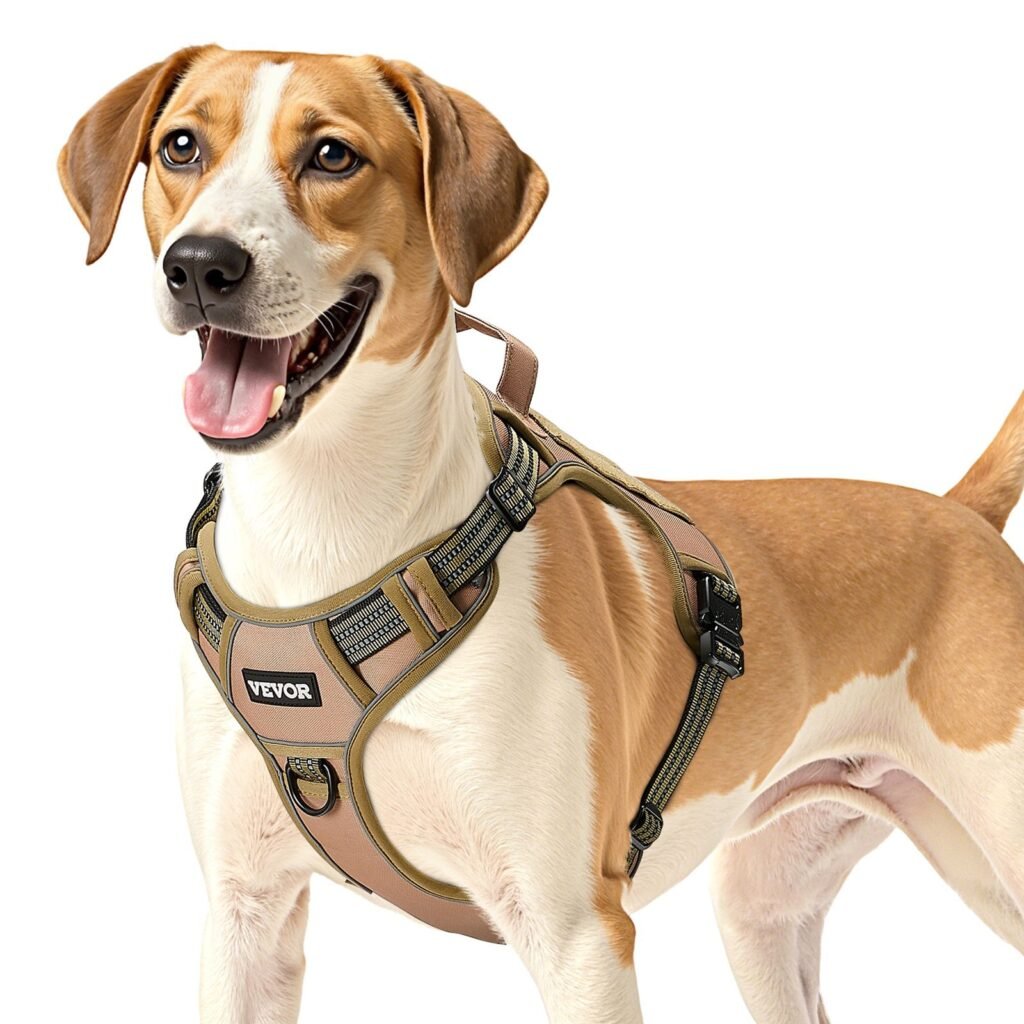
A comfortable harness (front-clip harnesses are especially helpful for dogs that pull)
-
Small, high-value treats (soft and easy to eat quickly)
-
A quiet place to practice (indoors or in a calm yard)
Avoid retractable leashes during training. They encourage pulling and make it harder for your dog to understand boundaries.
Step 1: Help Your Dog Feel Comfortable With the Leash
Before you ever go for a walk, make sure the leash and harness feel normal to your dog.
-
Let your dog sniff the leash and harness
-
Give treats while putting the harness on
-
Clip the leash on and let your dog move around indoors for a few minutes
The goal is for your dog to associate the leash with positive experiences, not pressure.
Step 2: Teach What a Loose Leash Means
This is the foundation of leash training.
-
Stand still with your dog on the leash
-
The moment the leash stays loose, reward your dog
-
If your dog pulls, don’t move forward
Your dog learns quickly that pulling doesn’t get them anywhere, but staying close does.
Step 3: Start Walking — One Step at a Time
Once your dog understands that a loose leash is good, add movement.
-
Take one or two steps forward
-
If the leash stays loose, reward
-
If your dog pulls, stop walking immediately
-
Wait until your dog comes back toward you or the leash relaxes
At first, progress may feel slow. That’s normal. These early moments are where real learning happens.
Step 4: Use a Simple Walking Cue
Choose a short phrase like:
-
“Let’s go”
-
“Walk”
-
“With me”
Say the cue just before you start walking. Over time, your dog will learn that the cue means walking calmly beside you.
Step 5: Practice in Low-Distraction Areas First
Start in places where your dog can succeed.
-
Inside your home
-
Backyard or driveway
-
Quiet sidewalk
-
Busier streets or parks
If your dog starts pulling again in a new place, go back a step. That’s not failure — it’s part of the process.
How to Stop Pulling on the Leash
If your dog pulls:
-
Stop walking immediately
-
Do not yank the leash
-
Wait until the leash loosens
-
Reward calm behavior
Another helpful technique is changing direction. When your dog pulls, calmly turn and walk the other way. This teaches them to pay attention to where you’re going.
Common Leash Training Problems (and Solutions)
My dog wants to sniff everything
Sniffing is normal. Allow sniffing as a reward, but only when the leash is loose. If your dog pulls to reach a smell, stop and wait.
My dog ignores treats outside
Use better treats. Plain kibble often isn’t enough outdoors. Try small pieces of chicken, cheese, or something your dog rarely gets.
My dog hates the harness
Introduce it slowly. Let your dog wear it for short periods at home with treats and praise. Never force it on.
My dog is older — is it too late?
No. Adult dogs can absolutely learn leash manners. It may take more patience, but the process is the same.
How Long Should Leash Training Take?
Short sessions work best.
-
5–15 minutes at a time
-
Once or twice daily
-
End sessions on a positive note
Consistency matters more than duration.
Mistakes to Avoid
-
Using leash jerks or punishment
-
Letting your dog pull “just this once”
-
Training only when you’re in a hurry
-
Starting in busy areas too soon
-
Expecting perfect behavior immediately
Leash training is a skill, not a switch.
Final Thoughts
Leash training is one of the best investments you can make in your dog’s life. A dog that walks calmly on a leash is safer, happier, and easier to live with. Progress may feel slow at first, but small improvements add up quickly when you stay consistent.
If you focus on clear communication, patience, and positive reinforcement, your dog will learn — and walks will become something you both look forward to.