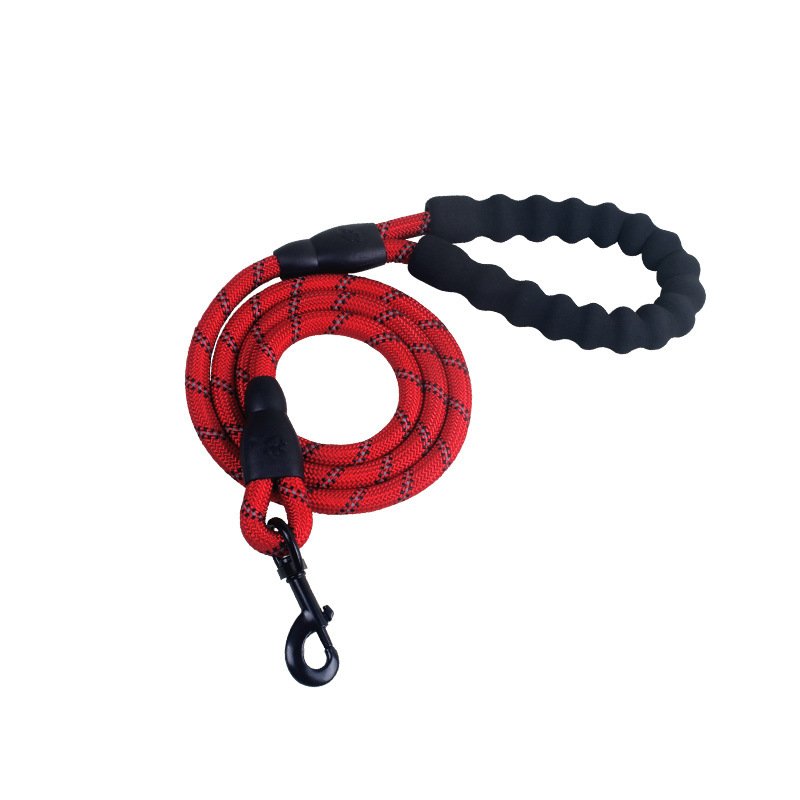
Types of Dog Leash Training Method
Table of Contents
ToggleTypes of Dog Leash Training Methods: How to Walk Your Dog Without Pulling
Walking your dog should be a fun, safe, and stress-free experience. But for many dog owners, leash pulling, lunging, or ignoring commands can turn walks into a struggle. The solution? Leash training.
There are several proven leash training methods, and the right one depends on your dog’s size, behavior, and training goals.
1. Loose-Leash Walking Method
Goal: Teach your dog to walk calmly without pulling.
How it Works:
Keep the leash loose, not tight
Stop walking immediately if the dog pulls
Resume walking only when the leash is slack
Reward your dog with treats or praise when walking calmly
Pros:
Encourages polite walking behavior
Builds a strong bond
Can be used with any dog
Cons:
Requires patience
Takes time for persistent pullers
Best for: Puppies, beginner dogs, everyday walks
2. Positive Reinforcement Method
Goal: Reinforce good walking behavior using rewards.
How it Works:
Use treats, toys, or praise when your dog walks without pulling
Reward frequently at first, gradually spacing rewards
Ignore bad behavior (no pulling) instead of punishing
Pros:
Builds trust and motivation
Works well with sensitive or nervous dogs
Strengthens obedience
Cons:
Requires consistency
Needs a supply of rewards
Best for: All dogs, especially sensitive or anxious dogs
3. Clicker Training Method
Goal: Use a clicker to mark the exact moment your dog behaves correctly on the leash.
How it Works:
Click when your dog walks calmly beside you
Follow immediately with a treat
Repeat consistently
Pros:
Highly precise
Reinforces correct behavior quickly
Combines well with positive reinforcement
Cons:
Requires a clicker and treats
Can confuse dogs if not consistent
Best for: Puppies and dogs that respond well to structured training
4. Stop-and-Go or “Red Light/Green Light” Method
Goal: Stop pulling by teaching the dog that pulling stops forward movement.
How it Works:
Stop walking as soon as your dog pulls
Stand still until the leash is slack
Resume walking only when the dog is calm
Pros:
Simple to implement
Works with strong pullers
Teaches immediate consequences
Cons:
Can frustrate impatient owners
Requires vigilance
Best for: Strong, large, or stubborn dogs
5. Front-Clip Harness Training Method
Goal: Reduce pulling by controlling the dog’s chest instead of neck.
How it Works:
Use a front-clip harness
When the dog pulls, the harness redirects them toward you
Reward slack leash walking
Pros:
Safer for dogs with neck or throat issues
Reduces pulling without force
Comfortable for long walks
Cons:
Requires proper harness fit
Not a standalone solution (combine with training)
Best for: Pullers, puppies, dogs with respiratory issues
6. Two-Step Training Method (Leash + Commands)
Goal: Combine leash control with verbal commands.
How it Works:
Use commands like “heel,” “easy,” or “stop”
Reinforce with leash pressure (gentle)
Reward calm walking
Pros:
Combines obedience and leash manners
Effective for advanced training
Cons:
Requires consistency
Needs owner skill and patience
Best for: Medium to large dogs, advanced walkers
Tips for Successful Leash Training
Use the Right Equipment:
Standard leash (4–6 feet) is ideal
Consider a harness for pullers
Keep Sessions Short and Frequent:
5–10 minutes multiple times a day is more effective than long, exhausting walks
Reward Calm Behavior:
Treats, praise, or toys work wonders
Be Patient:
Leash training takes time; consistency is key
Avoid Punishment:
Yanking, shouting, or harsh corrections can harm trust
Common Mistakes to Avoid
Letting pulling continue unchecked
Switching between methods inconsistently
Using equipment incorrectly (e.g., tight collars on pullers)
Expecting overnight results
| Training Method | Best For | How It Works | Pros | Cons |
|---|---|---|---|---|
| Loose-Leash Walking | Puppies, beginner dogs, everyday walks | Keep leash slack, stop when dog pulls, reward calm walking | Builds polite walking habits, strengthens bond, works for all dogs | Requires patience, can take time |
| Positive Reinforcement | All dogs, sensitive or anxious dogs | Reward good behavior with treats, toys, or praise | Builds trust, motivates dogs, strengthens obedience | Needs consistency, requires rewards |
| Clicker Training | Puppies, dogs that respond well to structured training | Click when dog behaves correctly, then reward | Highly precise, reinforces good behavior quickly | Needs clicker and treats, requires consistency |
| Stop-and-Go / Red Light-Green Light | Strong, large, or stubborn dogs | Stop walking when dog pulls, resume only when leash slack | Simple to implement, teaches immediate consequence | Can frustrate impatient owners, requires vigilance |
| Front-Clip Harness Training | Pullers, puppies, dogs with neck or respiratory issues | Harness redirects pulling, reward slack leash walking | Reduces pulling safely, comfortable for dogs | Requires proper harness fit, not standalone |
| Two-Step (Leash + Commands) | Medium-large dogs, advanced walkers | Combine leash pressure with commands (“heel”, “easy”) | Integrates obedience with leash control, effective for advanced dogs | Requires skill, patience, consistency |
Final Thoughts
Leash training isn’t just about control — it’s about communication, safety, and building trust. Using the right method for your dog’s personality and behavior ensures calmer walks, stronger bonds, and happier dogs.