Types of Dog Leashes
Table of Contents
ToggleThe Ultimate Dog Leash Buying Guide: How to Choose the Right Leash for Your Dog
Choosing the right dog leash is one of the most important decisions a dog owner makes — yet it’s often overlooked. A leash isn’t just something that connects you to your dog. It’s a safety tool, a training aid, and a daily essential that affects how enjoyable your walks are.
This guide breaks down everything you need to know about dog leashes, so you can confidently choose the best option for your dog and your lifestyle.
Why Choosing the Right Dog Leash Matters
The wrong leash can:
Make walking frustrating
Encourage pulling
Cause discomfort or injury
Reduce control in public spaces
The right leash:
Improves safety
Supports training
Feels comfortable in your hand
Makes walks calmer and more enjoyable
There’s no one-size-fits-all leash — the best choice depends on your dog.
The Main Types of Dog Leashes
Standard Dog Leash (Most Recommended)
Length: 4–6 feet
Best for: Everyday walks, training, most dogs
This is the most versatile and widely recommended leash type. It offers the best balance between freedom and control.
Why it works:
Ideal for sidewalks and public areas
Helps teach loose-leash walking
Works for puppies and adult dogs
For most dog owners, a standard 5–6 foot leash is the best place to start.
Retractable Dog Leash
Length: Up to 26 feet
Best for: Open areas, very well-trained dogs
Retractable leashes allow dogs to roam farther, but they come with trade-offs.
Pros:
Adjustable length
More freedom for dogs
Cons:
Less control
Can cause injuries
Encourages pulling
Not recommended for training
Trainer tip: Retractable leashes are rarely recommended for puppies or busy environments.
Training (Short) Leash
Length: 2–4 feet
Best for: Obedience training, heel work
Short leashes keep dogs close and focused, making them useful for structured training sessions.
Long Line Leash
Length: 10–50 feet
Best for: Recall training, open spaces
Long lines give dogs freedom while maintaining safety. These are training tools, not everyday walking leashes.
Hands-Free Dog Leash
Best for: Running, hiking, active owners
Hands-free leashes attach around your waist and are great for movement-based activities, but they’re not ideal for strong pullers.
Dog Leash vs Retractable Leash: Which Is Better?
For most dogs and owners, a standard leash is safer and more effective.
| Feature | Standard Leash | Retractable Leash |
|---|---|---|
| Control | High | Low |
| Training | Excellent | Poor |
| Safety | Safer | Higher risk |
| Public spaces | Ideal | Not recommended |
If you’re unsure, choose a standard leash.
Best Dog Leashes for Puppies
Puppies are still learning how to walk calmly on a leash.
Best puppy leash features:
Lightweight
4–6 feet long
Comfortable handle
Recommended setup:
✔ Standard leash + harness
Avoid for puppies:
Retractable leashes
Heavy chain leashes
Long lines in public areas
Best Dog Leashes for Dogs That Pull
If your dog pulls, the leash should prioritize control and durability.
What to look for:
Strong material (nylon, rope, or leather)
Heavy-duty metal clip
Comfortable, non-slip handle
Best combination:
✔ Standard leash + front-clip harness
Avoid retractable leashes — they make pulling worse.
How to Choose the Right Leash Length
2–4 feet: Training and heel work
4–6 feet: Best for everyday walking
8–10+ feet: Training only
Most dog owners should choose a 6-foot leash.
Dog Leash Materials Explained
Nylon
Lightweight and affordable
Can cause friction burns if your dog pulls
Leather
Durable and comfortable
Softens with use
Long-lasting
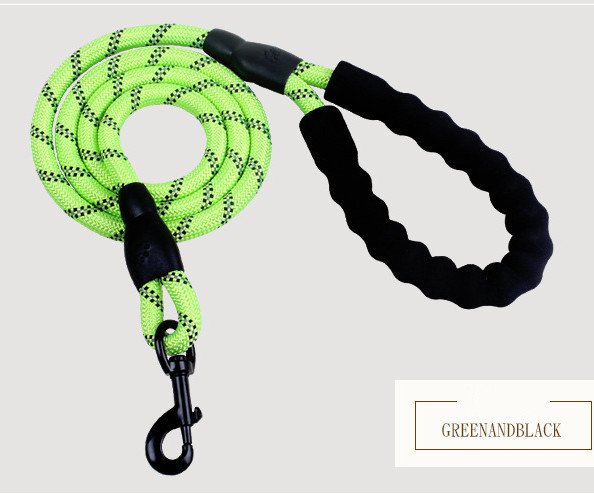
Rope
Strong and flexible
Comfortable grip
Great for medium to large dogs
Chain
Chew-proof
Heavy and uncomfortable
Not ideal for daily walking
Common Dog Leash Mistakes
Choosing based on looks instead of function
Using retractable leashes for training
Using leashes that are too long in public
Ignoring handle comfort
Using weak clips for strong dogs
Quick Buying Guide: Which Leash Is Right for You?
If you want one leash that works for almost everything:
→ Standard 5–6 foot leash
If you have a puppy:
→ Lightweight standard leash + harness
If your dog pulls:
→ Heavy-duty standard leash + front-clip harness
If you run or hike:
→ Hands-free leash (for trained dogs)
Final Thoughts
A dog leash is something you’ll use every single day. Choosing the right one makes walking safer, easier, and more enjoyable for both you and your dog.
If you’re ever unsure, keep it simple:
A well-made standard leash is the best choice for most dogs and most situations.